Physical, Spiritual, Emotional Health


Lupus
Learn about lupus symptoms, causes, and holistic healing options. Discover natural strategies, lifestyle support, and guidance for managing lupus.
Wesley J Allen
12/19/20254 min read
Understanding Lupus
Hello, I'm Lupus. I do what I was designed to do, nothing more. My siblings and I share similarities, often making it hard to distinguish between us. It's pointless to hate me; instead, understanding me could lead to more favorable outcomes.
Lupus is an autoimmune condition where the body's immune system attacks its own tissues and organs, causing inflammation that can affect various parts of the body, including the skin, joints, kidneys, and more. Diagnosing lupus can be challenging due to its symptoms overlapping with other diseases. Common signs include a distinctive butterfly-shaped rash on the face, worsened by sun exposure, though not everyone experiences this symptom.
Lupus symptoms can include extreme fatigue, fever, joint pain and swelling, and a range of other issues affecting different body systems. These symptoms can come and go in flares, often triggered by stress, UV light, infections, or certain medications.
Some people are more likely to get Lupus. Infections, certain medicines, or even sunlight can trigger the condition. There is no cure for Lupus, but treatments can help manage the symptoms.
Bacteria and Lupus
Research suggests a link between gut bacteria imbalances (dysbiosis) and lupus disease activity. Specific bacteria, like Ruminococcus gnavus, are found in higher quantities in lupus patients, especially during flares. This connection opens the door for potential new treatment approaches, such as targeted probiotics or dietary regimens to restore a healthy gut microbiome.
Researchers have established links between Lupus and a variety of toxins, such as cigarette smoke, silica, and mercury. Since these toxins are known to affect lupus, it is logical to assume that bacteria and toxins from other sources an also affect it.
Bacillus cereus, a bacterium commonly associated with food poisoning, can pose a significant risk to lupus patients due to their compromised immune systems. Proper handling and storage of food, especially rice, are crucial in preventing bacterial growth and potential infections.
Rice can also harbor other pathogens like Staphylococcus aureus, Salmonella, E. coli, Listeria, Campylobacter, and Clostridium species, though B. cereus and S. aureus are the key culprits in food poisoning from rice dishes due to their heat-resistant spores and toxin production.
Why Rice is a Concern for a lupus patient?
Bacillus species form hardy spores that survive cooking and can germinate and multiply in cooked rice left at room temperature, producing toxins. Cooked rice provides an ideal moist, starchy environment for bacterial growth. Proper handling, rapid cooling, and refrigeration of cooked rice are crucial to prevent these bacteria from multiplying and causing illness.
While Bacillus cereus in the environment doesn't directly cause lupus, it's a ubiquitous bacterium that can trigger or worsen flares in susceptible individuals, potentially through molecular mimicry where bacterial proteins resemble human ones, activating autoimmune responses, especially since lupus patients often have gut issues and altered microbiomes, making them prone to severe B. cereus infections like joint or heart infections.
Autoimmune Disease
Autoimmune diseases occur when the immune system mistakenly attacks the body's healthy cells and tissues. There are over 100 types of autoimmune diseases, including lupus, type 1 diabetes, and rheumatoid arthritis. Symptoms vary widely but often include fatigue, joint pain, and skin issues. Treatments aim to reduce immune activity and manage symptoms, as there's generally no cure.
For lupus patients, understanding the role of bacteria like Bacillus cereus and maintaining a healthy gut microbiome could be key to managing symptoms. It's crucial for patients to discuss any dietary changes or supplements with their healthcare provider to avoid potential risks.
Exploring Alternative Solutions
Are you tired of the uncertainty surrounding lupus? The lack of clear causes or cures can be frustrating. Could there be other influences at play? Recent discussions have highlighted the potential role of environmental toxins and bacteria in health crises.
Detoxification and reducing exposure to environmental toxins might offer some relief. Some studies suggest that clean living, proper diet, and regular detox protocols can play a critical role in managing symptoms. It's essential to consider a holistic approach to health, including all potential causes, not just hereditary or environmental factors.
Why not explore natural detoxifying as a possible pathway to wellness? The body heals itself. The body detoxifies naturally. But sometimes the body’s defenses are so overwhelmed in fighting against a disease that it needs a little help with solutions as simple as draining the lymph nodes.
In a world increasingly filled with pollutants and chemicals, the idea of detoxification has gained popularity as a potential solution. Detoxing, the process of removing harmful substances from the body, might be a reasonable approach for those struggling with unexplained ailments. Some studies suggest that reducing exposure to environmental toxins can lead to improvements in overall health.
Lymph Node Massage
The body detoxes through the lymph nodes. The lymphatic system acts as your body's natural filtration and waste removal network. The lymph nodes trap and process toxins, bacteria, viruses, and cellular waste before returning cleansed fluid to the blood. When fighting infection or dealing with a high load of waste, these nodes can swell as they work overtime filtering out harmful substances.
Lymph vessels gather excess fluid called lymph, comprised of fats, and waste from your tissues. This lymph fluid travels to lymph nodes which are small bean-shaped structures in your neck, armpits, groin, etc. They act as filters, trapping invaders and cellular debris.
White blood cells within the nodes fight off pathogens, and the nodes produce more cells to combat infection, causing them to swell. Filtered fluid re-enters the bloodstream to continue circulation.
Physical activity such as walking, swimming, and deep breathing help pump lymph fluid through the body. Staying hydrated keeps lymph fluid flowing. Eating clean supports the system's function. Gentle lymphatic drainage massage can help move fluid.
Every Body needs a little help sometimes
There are many holistic health clinics where you can get a lymph massage. Some professionals do it by hand; but a better way to be consistent with massaging the right spots with the correct pressure is the airwave lymphatic drainage pressotherapy machine.
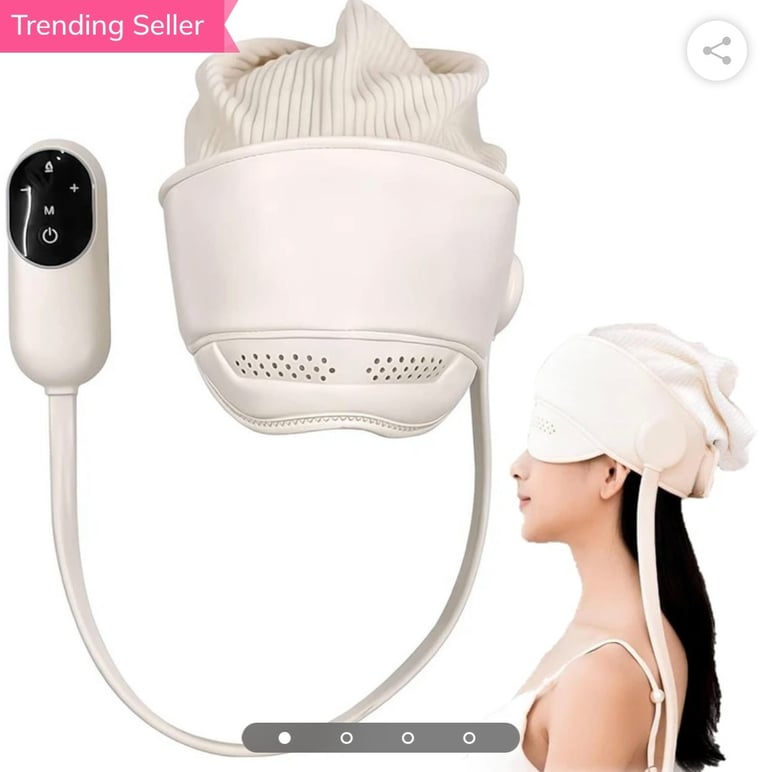
With the electric air pressure head massager with graphene heat you can stimulate the glymph nodes of the brain.
There is so much we can do to help our bodies heal. Getting the toxins out in whatever way you choose is a big step you can take toward health, restoration, and revitalization of your body. Live without pain and dysfunction. Act decisively and act now.



Contact
Questions? Reach out anytime.
Phone
© 2026. All rights reserved.